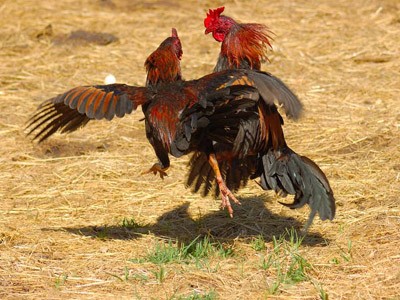
Training fighting cocks (or known as trường gà c1 thomo), often referred to as gamecocks, is an age-old practice steeped in culture and tradition. Historically, these birds have been bred for their fighting capabilities, and they have become a symbol of strength and resilience in various societies around the world. The training process involves a combination of physical conditioning, mental stimulation, and socialization skills that help enhance the bird’s natural instincts. This article will explore the multifaceted aspects of training fighting cocks, from understanding their anatomy and behavior to effective training methods and ethical considerations.
 Read more – Huấn luyện gà chọi
Understanding Gamecock Anatomy and Behavior
Understanding the anatomy and behavior of fighting cocks is crucial for any trainer. Their unique biological traits and natural instincts significantly influence their performance in the arena.
Physical Characteristics
Gamecocks are typically muscular with strong legs, allowing them to deliver powerful strikes. Their beaks are sharp and designed for pecking and gripping, which are essential in fights. The breed’s feathers can vary widely, with many possessing vibrant colors and patterns. These characteristics not only make them visually appealing but also play a role in their fighting technique.
The anatomy of a gamecock includes robust muscles that allow for quick, agile movements. The leg muscles are particularly well-developed as they are primarily used for jumping and kicking during a fight. A well-conditioned fighting cock will exhibit firm muscles and a healthy weight, which are critical factors in their overall performance.
Natural Instincts
Fighting cocks exhibit several natural instincts that contribute to their fighting prowess. Territoriality is a key trait, as these birds often engage in battles to establish dominance within their environment. This instinct drives them to defend their space aggressively against competitors. Additionally, gamecocks possess excellent reflexes, allowing them to evade attacks and counter with precision. These traits can be honed through targeted training techniques.
Social behavior also plays a significant role in a gamecock’s development. Young roosters learn how to assert themselves and interact with other birds, shaping their confidence and aggression levels. It’s essential for trainers to understand these instincts and behaviors to effectively channel them into productive training routines.
Psychological Factors
Beyond their physical attributes, the mental aspect of a gamecock’s training cannot be overlooked. A confident bird is more likely to perform well in fights. Trainers must work on building the bird’s self-esteem by exposing it to various challenges and rewarding positive behavior.
Stress management is also crucial. Birds subjected to excessive stress may not perform to their potential, so creating a balanced training environment is vital. This can involve ensuring that the birds have ample rest periods and are not exposed to unnecessary aggressive encounters during training.
Effective Training Techniques
Training fighting cocks requires a strategic approach tailored to each bird’s unique needs. There are several techniques trainers can employ to improve their birds’ ability to compete.
Conditioning Routines
Physical conditioning is the foundation of any successful training regimen. It begins with establishing a consistent exercise routine that focuses on strength, endurance, and agility. This can include activities such as sprinting, jumping, and even swimming, which helps build muscle and improve cardiovascular health.
Endurance training is particularly important since fights can last several minutes, requiring stamina and resilience. Trainers often use obstacle courses to simulate real fight conditions, helping birds develop agility while navigating through various challenges.
It’s also essential to monitor their diet closely. A nutritious diet rich in protein and vitamins will support muscle growth and recovery, ensuring that the birds maintain peak physical condition.
Sparring Sessions
Sparring is one of the most critical components of training. Controlled sparring sessions allow gamecocks to practice their fighting techniques and develop strategies without the risks associated with full-blown fights.
During these sessions, trainers should focus on pairing birds of similar size and skill levels to prevent injuries and provide a fair challenge. Observing the sparring can reveal strengths and weaknesses that the trainer can address in future training.
In addition to skills practice, sparring helps to build the bird’s confidence. Learning to face an opponent head-on can be an invaluable experience, reinforcing their instinctual behaviors and improving their performance in competition.
Mental Stimulation
Mental training is just as vital as physical conditioning. Gamecocks need to be mentally engaged to ensure their readiness for fights. This can involve using problem-solving exercises or introducing new challenges to keep their minds sharp.
Engaging in activities that encourage exploration and interaction can help reduce anxiety and promote confidence. For example, allowing birds to forage for food or navigate mazes can stimulate their minds positively.
Positive reinforcement also plays a crucial role in mental training. Rewarding good behavior with treats or praise can strengthen the bond between the trainer and the bird, fostering trust and encouraging a willingness to learn.
The Role of Nutrition in Training
Nutrition is a cornerstone of any successful training program for fighting cocks. Providing the right diet ensures that the birds receive the necessary nutrients to support their training regimens and enhance their performance.
Optimal Diet Composition
A well-balanced diet for gamecocks should include high-quality protein sources, carbohydrates, fats, vitamins, and minerals. Protein is essential for muscle repair and growth, especially after rigorous training sessions. Common sources of protein include grains, legumes, meat scraps, and specially formulated feeds designed for gamebirds.
Carbohydrates serve as energy sources, fueling the birds during workouts and fights. Good sources of carbohydrates include grains like corn, barley, and wheat. Additionally, healthy fats can provide concentrated energy and aid in nutrient absorption.
Vitamins and minerals are also crucial for maintaining overall health. Supplements or fortified feeds can help ensure that birds receive adequate amounts of calcium, phosphorus, and vitamins A, D, and E, all of which play vital roles in bone health, immune function, and proper metabolism.
Feeding Schedule
Establishing a consistent feeding schedule is essential for optimizing the birds’ performance. Trainers often feed fighting cocks multiple times a day, adjusting portion sizes based on the bird’s activity level and specific training needs.
Hydration is another critical factor. Access to clean, fresh water is necessary to maintain optimal health and performance. Dehydration can lead to fatigue and decreased stamina during fights, making it vital for trainers to monitor water intake carefully.
Special Considerations
As birds prepare for competitions, dietary adjustments may be necessary. Some trainers choose to implement a “cutting” diet weeks prior to a fight, reducing calorie intake to ensure the birds reach an ideal weight and remain agile. However, this must be done cautiously to avoid compromising the bird’s energy levels.
Consulting with a veterinarian or avian nutritionist can provide valuable insights into creating a tailored diet plan that meets the specific needs of each gamecock.
Ethical Considerations in Fighting Cock Training
The practice of training fighting cocks is controversial, primarily due to concerns over animal welfare. As more individuals advocate for humane treatment of animals, trainers must consider the ethical implications of their practices.
Regulating Training Practices
Many regions have laws governing the training of fighting cocks and related activities. Trainers must stay informed about local regulations to ensure compliance and avoid legal repercussions. This includes understanding what constitutes ethical treatment and practices in the context of animal welfare.
To promote ethical training, coaches can emphasize humane handling and care, focusing on the bird’s well-being throughout the entire training process. Avoiding excessive force and ensuring that birds do not suffer unnecessary stress is paramount.
Promoting Positive Reinforcement
Positive reinforcement training techniques can be employed to create a more humane approach to training. This method encourages good behavior through rewards rather than punishment, fostering a better relationship between the trainer and the bird.
Highlighting the importance of mental well-being can change the narrative surrounding the training of fighting cocks. By focusing on the psychological aspects of training and emphasizing engagement and stimulation, trainers can shift toward caring for the animals’ holistic needs.
Alternatives to Fighting
As society evolves, many trainers are exploring alternatives to traditional fighting practices. Activities such as agility training, shows, or exhibitions can allow gamecocks to showcase their abilities in a less aggressive setting. Participating in events that celebrate the breed’s beauty and athleticism can foster a greater appreciation for gamecocks without involving violence.
These alternatives can help reshape public perception and demonstrate that trainers value the birds as companions and athletes rather than mere fighters.
FAQs
What is the primary purpose of training fighting cocks?
The primary purpose of training fighting cocks is to enhance their natural fighting skills, improve their physical conditioning, and prepare them for competitive bouts. Training focuses on developing strength, agility, and endurance while also addressing mental preparedness.
How do trainers ensure the safety of fighting cocks during training?
Trainers ensure safety by implementing controlled sparring sessions, monitoring interactions closely, and providing adequate rest periods. They focus on pairing birds with similar size and skill levels to minimize injury risks while promoting a safe training environment.
What types of diets are best for fighting cocks?
A well-balanced diet rich in protein, carbohydrates, and essential vitamins and minerals is best for fighting cocks. Trainers often use high-quality commercial feeds, supplemented with grains and proteins from natural sources to ensure optimal nutrition.
How can trainers incorporate ethical considerations into their practices?
Trainers can incorporate ethical considerations by adhering to legal regulations, prioritizing humane treatment, and employing positive reinforcement techniques. Exploring alternative activities that showcase gamecocks’ abilities without violence can also promote a more compassionate approach.
Are there alternatives to fighting cocks for sport?
Yes, there are alternatives to traditional fighting, such as agility training, exhibitions, and shows that allow gamecocks to demonstrate their athleticism and beauty without engaging in violence. These activities can foster a greater appreciation for the breed while promoting responsible ownership.
Conclusion
Training fighting cocks is a complex undertaking that involves a deep understanding of the birds’ anatomy, behavior, and nutritional needs. While the sport is rooted in tradition, it is vital to approach training with an emphasis on ethical considerations and animal welfare. By combining effective training techniques with responsible practices, trainers can cultivate gamecocks that are not only skilled fighters but also healthy and happy companions. As interest in humane treatment continues to grow, embracing ethical training methods will ensure the sustainability and dignity of this time-honored practice.